Safety and income are rarely separate problems

THE CHALLENGE
Where this work begins
For many women, economic insecurity and the risk of gender-based violence are closely connected. Limited income can make it harder to leave unsafe situations, access support, or make independent choices about their lives. At the same time, violence and restrictive social norms can limit women’s ability to work, earn, and participate fully in their communities.
Our work brings these realities together, supporting women to strengthen their livelihoods while making sure they can access information, protection, and support when they need it.
OUR MODELS HERE
How we respond
The WAVES Model
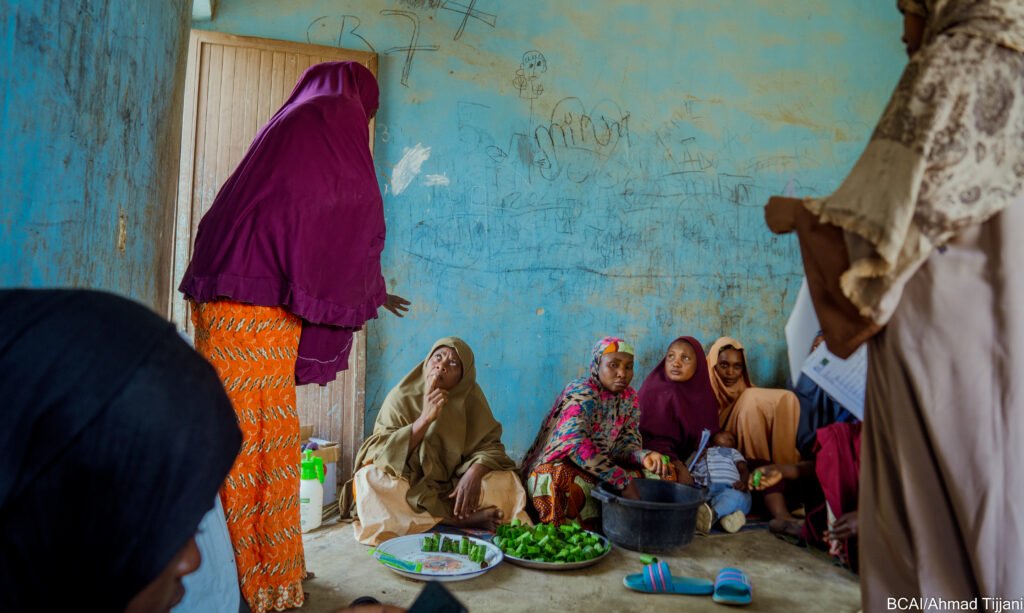
Women Against Violence Empowered through Sustainability combines climate smart agribusiness training with formal protection pathways and community support networks, so that economic independence and personal safety are built side by side.
Community Learning Model
Trusted, peer led spaces give women and girls room to talk about gender based violence, rights, and available support before a crisis forces the conversation. These spaces have become a reliable entry point into the formal protection system.
Impact Spotlight
Women and girls reached directly
People reached through GBV awareness campaigns
Institutional and civil society actors engaged
FROM THE FIELD
Grassroots to institution
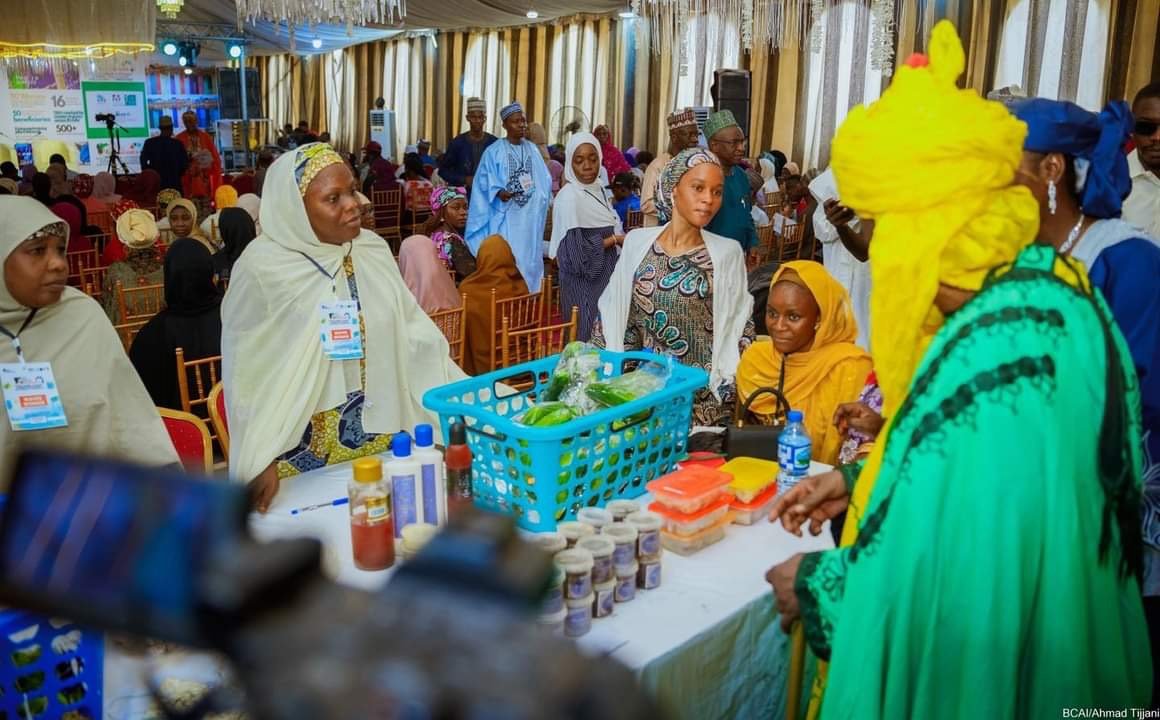
At a WAVES showcase in Kano State, BCAI marked the pilot of an integrated agribusiness incubator that paired climate smart farming with a direct referral line into formal protection services. Participants who once described their work in terms of survival stood in front of state officials and described it as enterprise, secure enough now to plan a season ahead rather than a day ahead.
OUR PROJECTS
Women Against Violence Empowered through Sustainability (WAVES) Project
Supported By:

For many women in rural communities, economic insecurity can limit their ability to make decisions, withstand shocks, and build safer futures for themselves and their families. WAVES worked with women to strengthen their livelihoods through sustainable agriculture while creating space to address the gender and social conditions that shape their economic security. The programme began with 50 women and expanded its approach across communities in Northern Nigeria, combining practical skills, sustainable farming, and gender-focused community engagement.
Raising Community Voices to End Child Marriage Project
Supported By:

Child marriage continues to limit girls’ education, health, and future choices across Northern Nigeria. Through a 10-episode Hausa-language podcast and radio series, BCAI created spaces for communities and policymakers in Kano, Jigawa, and Bauchi to examine the practice, its consequences, and the policies needed to protect girls. The project strengthened community awareness, increased policymaker support for the Child Protection Bill, and equipped community leaders to respond to forced marriage cases.
Many of the women in these programmes first found BCAI through their daughters. See how our education work opens that first door.