Being connected is only the first step

THE CHALLENGE
From learning online to participating digitally
Digital exclusion is not only about who has a phone or an internet connection. It is also about who can access useful information, develop the confidence and skills to use digital tools, and participate meaningfully in the spaces and opportunities technology creates. Across our work, BCAI ensures that young people, girls and women are not only able to connect, but are equipped to learn, make decisions, express themselves, pursue opportunities and shape the digital spaces around them.
OUR MODELS HERE
How we respond
Community Learning Model
We use community-based learning to make digital knowledge practical, relevant and accessible. Through peer learning, community engagement and targeted digital sessions, we create spaces where young people, girls, families and communities can build the knowledge and confidence needed to engage with technology in ways that respond to their realities.
Digital Learning & Advocacy
We integrate digital tools into learning, leadership and advocacy so that young people can move beyond consuming information to using it for action. This has included digital learning platforms, online advocacy resources and technology-enabled tools developed through programmes such as Youth Leading Change and YOLHAC, including an e-learning platform and an AI-enabled chatbot.
Impact Spotlight
Students reached through digital learning outreach
Adolescent girls and young women reached with digital access and literacy
Digital platforms and technology-enabled tools developed.
FROM THE FIELD
From having access to technology to having a voice
When the pandemic disrupted learning, we began by helping students find ways to keep learning beyond the classroom.We reached 400+ students and 10 teachers across three secondary schools in Kano, building their confidence to navigate online learning platforms and resources.
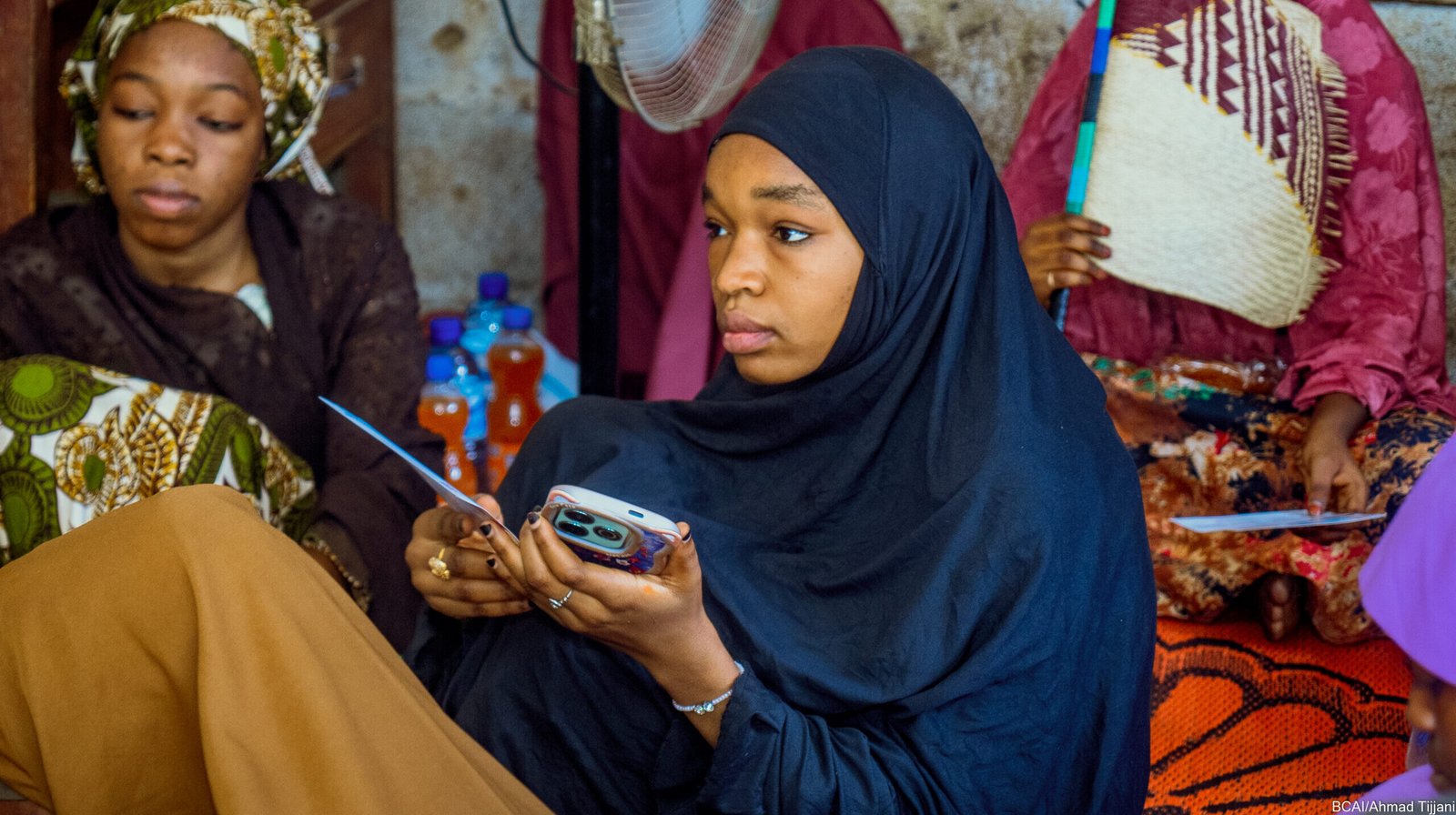
That question of access grew into a deeper one: what does it take for girls to participate meaningfully in digital spaces? In 2026, we reach 1657 touchpoints of adolescent girls and young women while bringing families and community stakeholders into conversations around trust, safety, and the gender norms shaping girls’ digital access.
OUR PROJECTS
School Outreach for Digital Learning (SODL)
When COVID-19 disrupted classroom learning, students in underserved communities faced limited access to digital learning tools and platforms. SODL worked with secondary schools in Kano to introduce students and teachers to online learning resources and build their capacity to use them. Across participating schools, awareness of online learning increased from 89.7% to 96.3%, while the proportion of students who had never used an online learning platform fell from 70.1% to 28.7%.
AGYW Digital Inclusion and Gender Norms Project
Supported By:

For many adolescent girls and young women in Northern Nigeria, using digital technology is shaped by concerns about safety, restrictive gender norms, and limited parental support. BCAI and BBC Media Action created peer learning spaces where girls could build digital skills, explore online safety, and discuss the norms shaping their access to technology. Across 12 communities, 300 girls participated in 72 peer sessions, with the project documenting girls applying digital safety lessons, starting small online businesses, and opening conversations at home about responsible digital use.
A system interwoven
Today, digital inclusion continues to shape our work. For us, technology is not the destination; it is a pathway to achieve greater access, agency, and participation across all our work.