A seat in the classroom is only the first door

THE CHALLENGE
Where this work begins
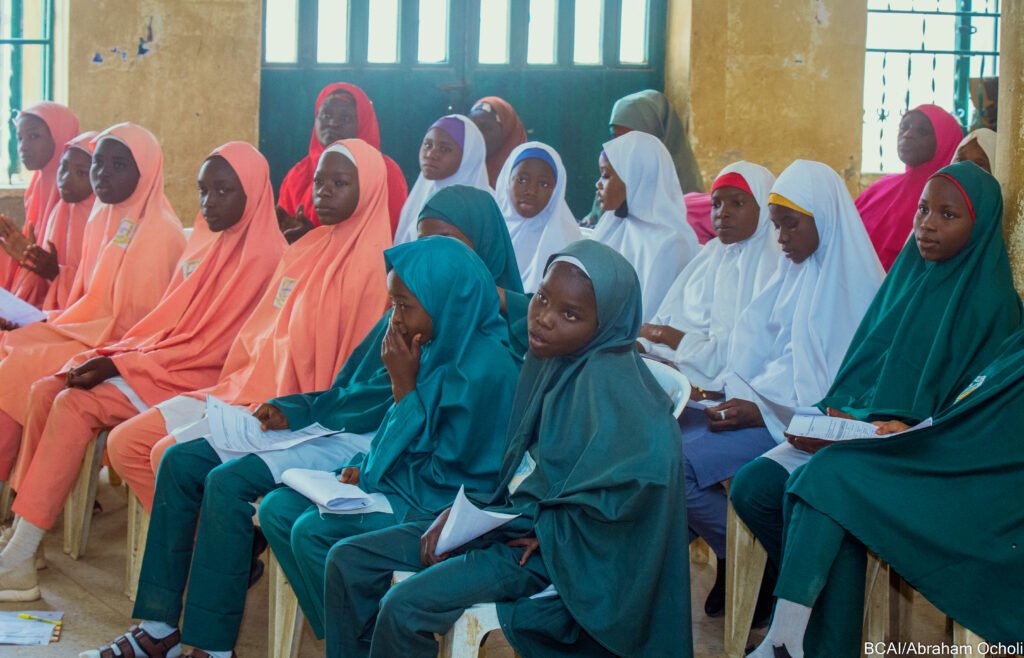
In the communities where BCAI works, getting a girl into school is only the first door. Keeping her there means addressing early marriage pressure, unpaid domestic responsibilities, and gaps in the resources schools need to support girls effectively.
We work on enrolment, retention, transition and the quality of education together, recognising that getting girls into school is only meaningful when they can stay, learn, and complete their education.
OUR MODELS HERE
How we respond
Systems Accountability Model
Disconnected planning processes rarely reflect what is actually happening inside a local school. This model integrates citizen generated evidence, social budgeting audits, and School Based Management Committees so that education planning is built around direct community priorities.
Bridging Access to Girls’ Education
Delivered with the Malala Fund, this programme works on access, retention, and completion of secondary education for girls, using gender responsive budgeting and community driven accountability to keep girls enrolled once they arrive.
Impact Spotlight
Girls reached through expanded educational opportunities
Public girls’ boarding schools reopened
Allocated to education in Kano State’s 2026 budget
FROM THE FIELD
A budget line becomes a classroom
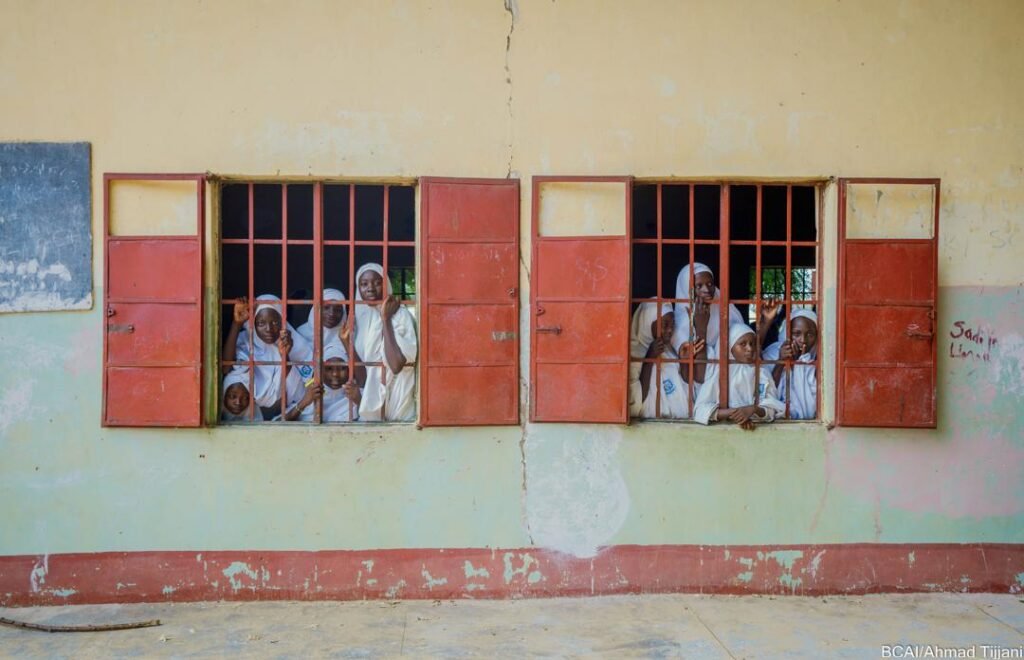
A budget can look like numbers on paper. For a girl in school, those numbers can mean a menstrual hygiene bank she can rely on, a WASH facility that meets her needs or a school that has the resources to keep her learning.
That is what the Gender-Responsive Education Budgeting (GREB) framework set out to change through making girls’ needs visible in education budgets and turning them into specific investments. Today, the framework has been adopted by the Kano State Government, helping shape budget lines that respond more directly to the realities girls face in school.
OUR PROJECTS
Bridging Access to Girls Education (BAGE) Project
Supported By:
In Kano State, girls’ access to secondary education is closely tied to how education resources are planned, allocated, and monitored. Through BAGE, BCAI worked with government, communities, civil society, and media to strengthen gender-responsive budgeting and citizen participation in education planning. The work contributed to the formal adoption of Kano State’s Gender-Responsive Education Budgeting Framework and Citizens Participation Framework, strengthening accountability for girls’ education.
Accountability for Good Governance in Education (AGGE) Project
Supported By:

With more than 18.5 million children out of school in Nigeria, gaps in education funding, implementation, and public oversight continue to affect children’s access to quality education. AGGE brought together civil society, government, and citizens across Kano, Kebbi, Kwara, Ebonyi, and the FCT to strengthen public understanding of Universal Basic Education (UBE) processes and increase citizen participation in monitoring education plans and funds. The project strengthened citizen engagement, improved awareness of UBE funding and governance processes, and contributed to greater state willingness to access and use education funds.
But a girl’s access to education is only one part of the access she needs.
The opportunity to learn must also open doors to greater agency, economic opportunity, leadership, and participation in the decisions that shape her life and community.