A changing climate reaches every household differently

THE CHALLENGE
Where this work begins
Environmental challenges are experienced through everyday life: poor sanitation, unmanaged waste, unsafe hygiene practices, and livelihoods increasingly exposed to changing climate conditions. We focus on practical responses that communities can sustain, helping people protect their surroundings while strengthening their ability to adapt and create new opportunities.
OUR MODELS HERE
How we respond
The WAVES Model
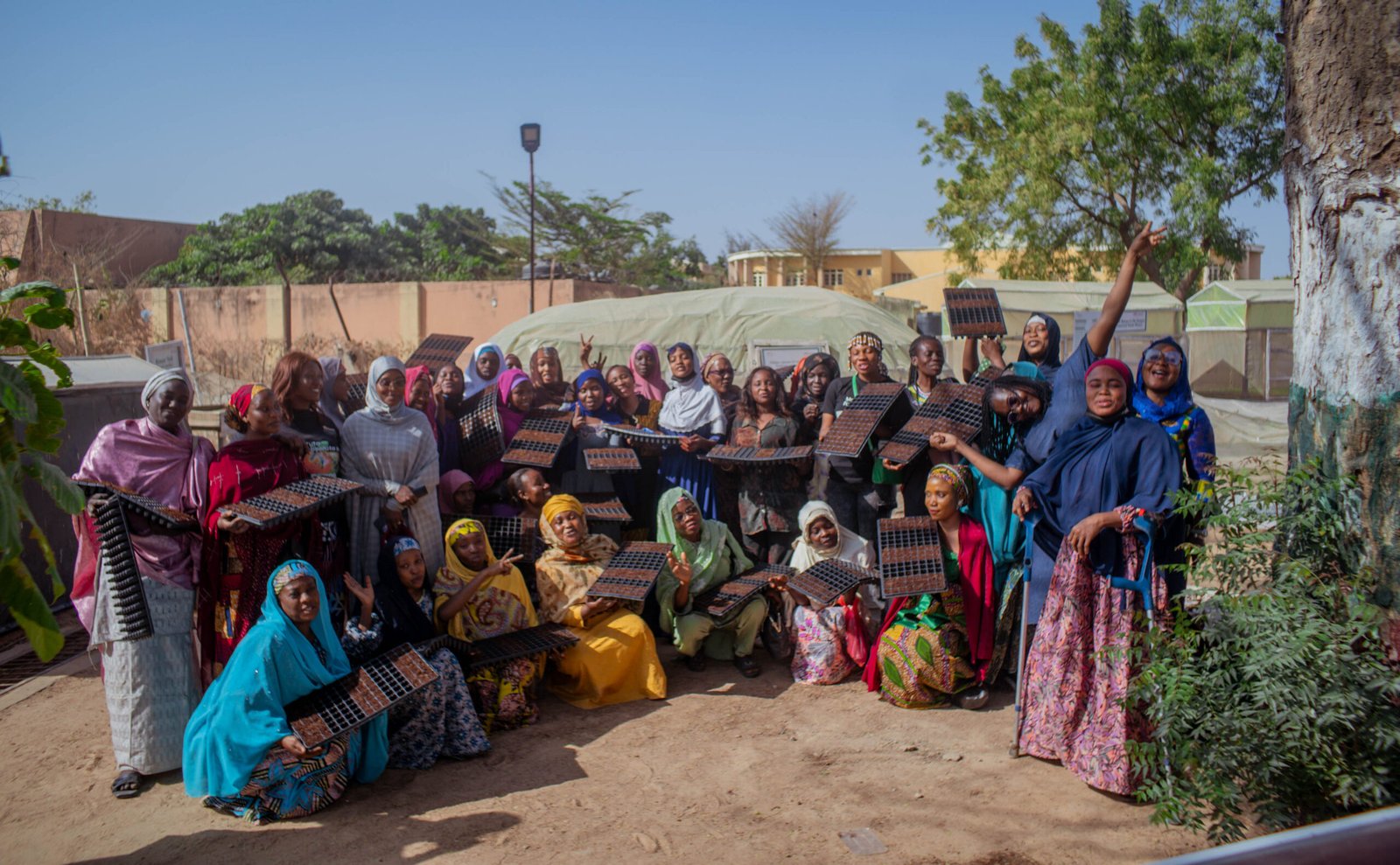
Climate smart agribusiness sits at the centre of this model, helping households build livelihoods resilient enough to withstand a shorter or less predictable farming season without falling back into economic vulnerability.
Community Learning Model
Door to door and digital campaigns build household level understanding of sanitation, hygiene, and waste to wealth practices, translating environmental awareness into everyday behaviour.
Impact Spotlight
People reached through sanitation and awareness campaigns
Farming households with access to climate advisory services
FROM THE FIELD
Waste becomes wealth
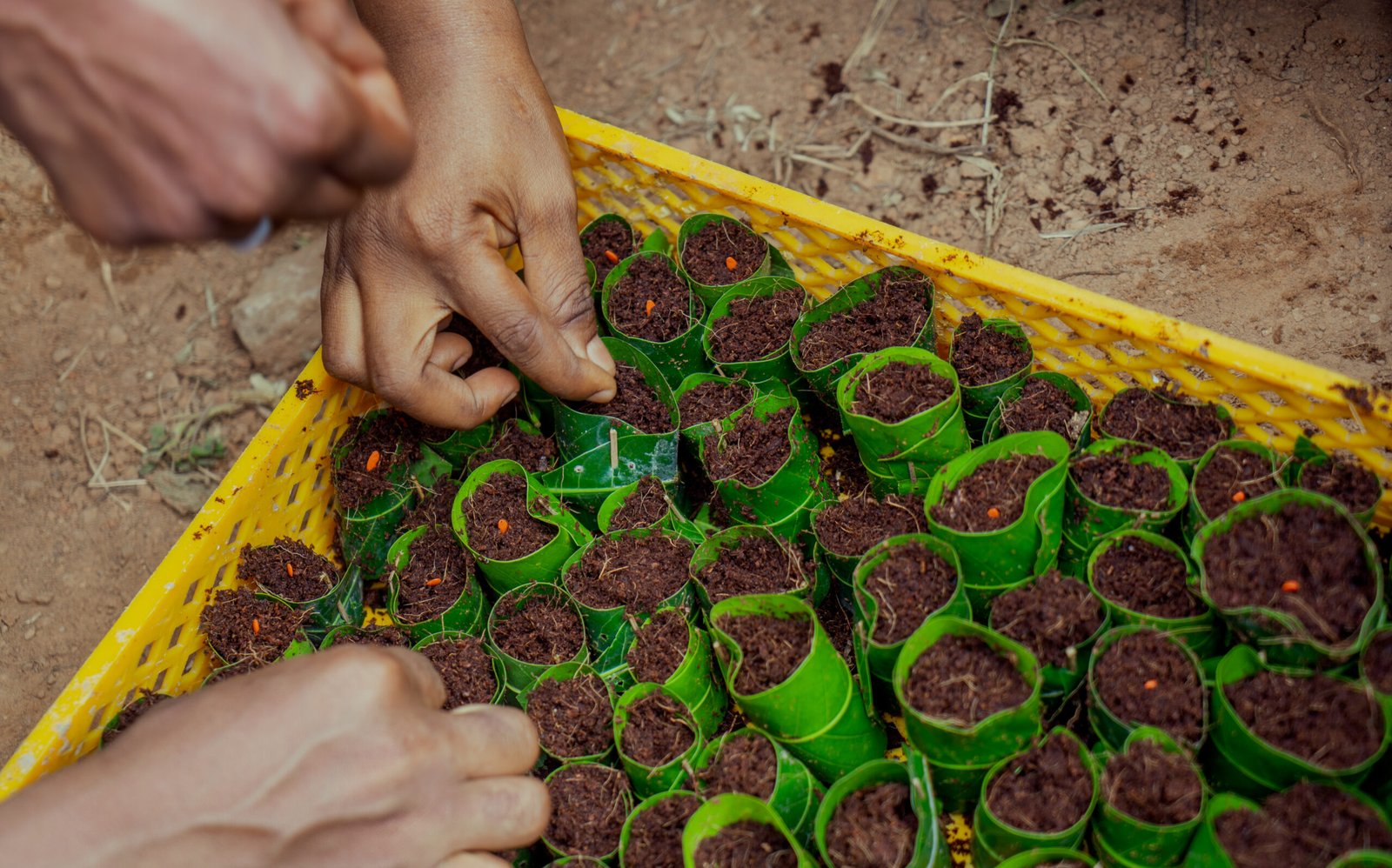
In communities where waste is often seen as a problem to be disposed of, BCAI is exploring how it can also become an opportunity. Through practical waste-to-wealth approaches, young people and community members are introduced to green business opportunities such as briquette production, turning waste materials into products with economic value.
The idea is simple: better waste management can also create opportunities for people to build skills, earn, and participate in more sustainable local economies.
OUR PROJECTS
Sanitation and Hygeine Fund (SHF) Project
Supported By:
Through its partnership with WaterAid Nigeria under the UNOPS-funded Sanitation and Hygiene Fund (SHF), BCAI worked to strengthen environmental health and community sanitation systems across Bauchi State from 2025 to 2026. The initiative reached over 115,000 people through household hygiene promotion and more than 121,000 through digital sanitation campaigns, supported by trained youth facilitators and digital influencers. By combining behaviour change with waste-to-wealth entrepreneurship, the project promoted improved waste management, stronger community ownership, and opportunities to link environmental sustainability with public health and economic empowerment.
Creating opportunities is also at the heart of our work to expand digital access and skills for young people.